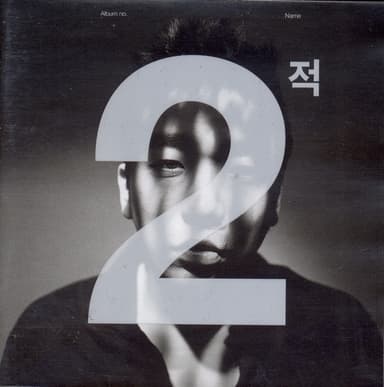
어른 (그 해 우리는 OST)
이적
Lee Juk brings something weathered and patient to this meditation on what it means to grow up — not as celebration but as reckoning. The arrangement is chamber-like, piano and strings conversing in a register that feels both intimate and wide open, as though the song takes place in a large empty room where echoes are part of the meaning. His voice has the timbre of a man who has survived enough seasons to speak about them without flinching, a baritone that carries weight in the pauses as much as in the notes. The song asks what adulthood costs — whether the becoming was worth the losing — and it sits with that question rather than answering it. There's a melancholy here that isn't self-pitying; it's the kind that comes from clear-eyed honesty. Lee Juk has long occupied a singular space in Korean singer-songwriter tradition, and this is him at his most distilled: minimal, precise, devastatingly felt. This is a song for the drive home after a reunion with someone you used to be very close to.
slow
2020s
sparse, resonant, wide
South Korea
Ballad, K-Pop. Korean Singer-Songwriter Ballad.
melancholic, introspective. Begins with quiet reckoning and deepens into resigned clarity, never reaching catharsis but settling into honest stillness..
energy 2. slow. danceability 1. valence 3.
vocals: deep baritone, weathered, patient, weight in pauses.
production: piano, chamber strings, minimal arrangement, intimate space.
texture: sparse, resonant, wide. acousticness 7.
era: 2020s. South Korea.
The drive home after a reunion with someone you used to be very close to, processing what has changed.