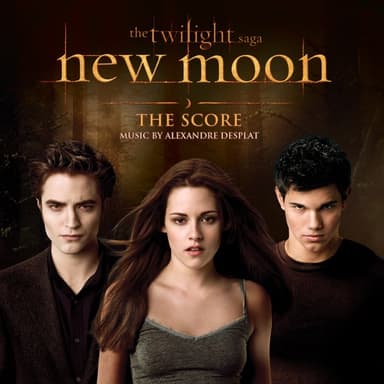
The Decree
Alexandre Desplat
Alexandre Desplat's "The Decree" carries the weight of institutional authority rendered in sound. A brass chorale moves with solemn deliberation, each chord landing like a gavel, while strings swell beneath with a grandeur that is both magnificent and oppressive. The composition captures the moment where power becomes absolute — there is no negotiation in these harmonies, only proclamation. Desplat employs a march-like rhythm that suggests inevitability, the machinery of governance grinding forward regardless of individual will. Yet within this formality, there are moments of extraordinary tenderness — a solo oboe or flute that seems to speak for those affected by the decree, a human voice buried within the bureaucratic architecture. The orchestration references 19th-century European ceremonial music but subverts it with modern harmonic language, creating something that feels both timeless and specifically contemporary. The emotional arc moves from authority to consequence, the final passages carrying a weight that suggests the full human cost of decisions made in marble halls. This piece resonates most powerfully when listened to with full attention, perhaps on a grey afternoon when one contemplates the gap between the language of power and the reality of its impact on individual lives.
medium
2020s
majestic, ironic, weighty
European art-cinema, old European parliamentary
Classical, Film Score. Orchestral March.
Grand, Sardonic. Rises from whispered strings to full brass proclamation before retreating into institutional formality.
energy 6. medium. danceability 2. valence 4.
vocals: instrumental, no vocals.
production: brass fanfares, timpani, folk-like woodwinds, sweeping strings, orchestral grandeur.
texture: majestic, ironic, weighty. acousticness 9.
era: 2020s. European art-cinema, old European parliamentary.
Quiet reflection on institutional power, the terrible elegance of decisions made on behalf of others