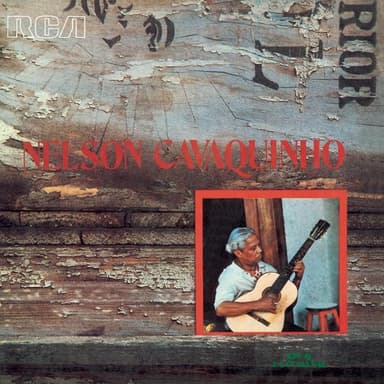
A Flor e o Espinho
Nelson Cavaquinho
Nelson Cavaquinho strips samba to its barest emotional architecture in "A Flor e o Espinho," a song that moves with the deliberate pace of someone walking uphill in Mangueira at dusk. His guitar work is famously unorthodox — fingers pressing strings with a roughness that produces a tone somewhere between a whisper and a wound. The melody descends in minor intervals that mirror the lyric's central metaphor: love as a flower inseparable from its thorn, beauty that cannot exist without the puncture of pain. His voice, weathered and low, never attempts to beautify the sentiment — it delivers truth the way a neighbor delivers bad news, with sadness but without pretense. The production is essentially just voice and violão, with perhaps a distant pandeiro, refusing any embellishment that might soften the blow. This is botequim philosophy at its most distilled, the kind of insight that only emerges after the third glass of cachaça when the bar is nearly empty. The cultural weight here is immense — Cavaquinho lived in the favela, buried friends, drank heavily, and wrote songs about mortality with the calm of someone who had already made peace with it. Listen alone, late at night, when honesty feels less frightening than silence.
slow
1970s
["raw","stripped","intimate"]
Brazil
Samba. Samba de raiz.
Melancholic, Resigned. Descends steadily through minor intervals, each phrase stripping away pretense until only raw emotional truth remains.
energy 2. slow. danceability 2. valence 2.
vocals: weathered, low, unpretentious, rough, conversational.
production: solo violão, minimal, unembellished, raw.
texture: ['raw', 'stripped', 'intimate']. acousticness 10.
era: 1970s. Brazil.
Alone late at night when honesty feels less frightening than silence