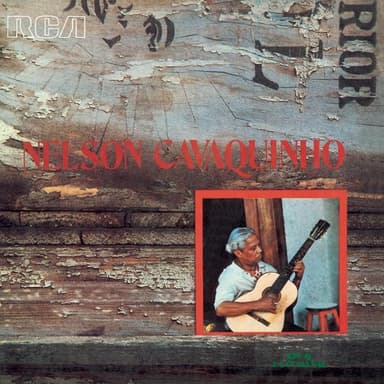
Quando Eu Me Chamar Saudade
Nelson Cavaquinho
"Quando Eu Me Chamar Saudade" is Nelson Cavaquinho's most devastating meditation on death, delivered with a tranquility that makes it all the more piercing. The song opens with his signature descending guitar figure — simple chords that feel like footsteps retreating slowly from life itself. His vocal delivery is conversational, almost offhand, as if discussing his own funeral were no more remarkable than describing the weather. The lyric asks listeners not to cry when he becomes nothing but saudade — that untranslatable Portuguese ache for what is gone — and this request, framed as gentle instruction, carries more emotional weight than any dramatic lament could. Production-wise, the recording is deliberately lo-fi, as though captured in a room where the walls have absorbed decades of cigarette smoke and unfinished conversations. A soft chorus hums behind him, not harmonizing so much as bearing witness. Culturally, this song crystallizes the Mangueira school's philosophical tradition — samba not as party music but as existential reckoning. Cavaquinho, who reportedly composed melodies by humming into a tape recorder because his guitar technique was self-taught and idiosyncratic, turns technical limitation into raw emotional directness. This is music for the hour when the party has ended and someone sits alone with the enormity of impermanence.
very slow
1970s
["lo-fi","smoky","fragile"]
Brazil
Samba. Samba de raiz.
Peaceful, Melancholic. Opens with tranquil acceptance of mortality and sustains that devastating calm throughout, gentleness amplifying the emotional weight.
energy 2. very slow. danceability 1. valence 3.
vocals: conversational, offhand, tranquil, lo-fi, idiosyncratic.
production: descending guitar, soft chorus, lo-fi recording, minimal.
texture: ['lo-fi', 'smoky', 'fragile']. acousticness 10.
era: 1970s. Brazil.
The solitary hour after everyone has left when sitting alone with the enormity of impermanence