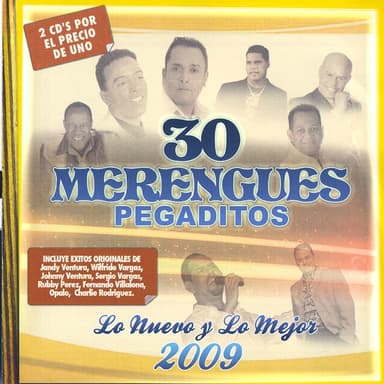
Payaso
Rubby Pérez
Rubby Pérez brings extraordinary vocal depth to "Payaso," a song that uses the carnival figure of the clown as a meditation on romantic humiliation — performing happiness while concealing heartbreak, wearing a painted smile over genuine pain. The metaphor is neither new nor subtle, but Pérez's voice gives it renewed weight; he sings with a richness that makes the sadness feel earned rather than theatrical. The arrangement is slightly more expansive than standard merengue, the brass section given room to breathe and develop melodic ideas rather than simply punctuating, creating a sound that approaches merengue romántico without fully abandoning the form's rhythmic drive. The production has a warm, slightly cinematic quality that suits the song's emotional ambitions. "Payaso" occupies interesting cultural territory — it acknowledges male emotional pain in a musical tradition that more frequently processes such pain through comedy or bravado, and Pérez's willingness to inhabit the vulnerability fully distinguishes the performance. The payaso figure resonates particularly in Caribbean contexts, where the ability to perform joy under duress has historical and social dimensions beyond the personal. This is a late-night song, for quiet listening rather than dancing.
medium
1990s
warm, spacious, heavy
Dominican Republic
Merengue. Merengue Romántico.
Melancholic, Introspective. Opens with veiled sadness and gradually reveals genuine emotional pain beneath the performance of joy..
energy 5. medium. danceability 5. valence 3.
vocals: rich, deep, vulnerable, emotionally earned.
production: expansive brass, room-to-breathe arrangement, warm cinematic mix.
texture: warm, spacious, heavy. acousticness 5.
era: 1990s. Dominican Republic.
A late-night song for quiet listening rather than dancing, when the party is over.