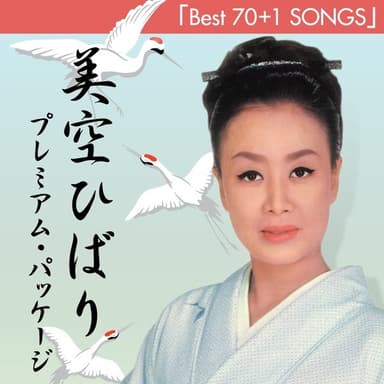
悲しき口笛
Hibari Misora
"悲しき口笛" — "The Sad Whistle" — was Hibari Misora's commercial breakthrough at the astonishing age of twelve, and the precocity is both the wonder and the slight uncanniness of the listening experience. The melody is almost childishly simple, a folk-song quality to its contours, yet her voice wraps around the sadness with an emotional sophistication that transcends age. The arrangement is sparse by postwar standards — accordion, light percussion, the whistled motif that lends the song its title — and this austerity puts all weight on the vocal. The lyric speaks of parting and longing through the image of a whistle echoing through an empty street, absence rendered acoustic. In the devastated Japan of 1949, a child singing so convincingly about loss must have felt both uncanny and necessary — an expression of collective grief through an impossible voice.
slow
1940s
austere, haunting, fragile
Japan
Enka, Folk. Postwar children's ballad.
Sorrowful, Tender. Begins with childlike simplicity and deepens into a grief too large for the voice carrying it, leaving wonder and uncanniness behind..
energy 2. slow. danceability 1. valence 2.
vocals: precocious, emotionally sophisticated, pure-toned, earnest, transcendent.
production: accordion, light percussion, whistled motif, sparse postwar arrangement.
texture: austere, haunting, fragile. acousticness 8.
era: 1940s. Japan.
Listen alone when processing collective or personal grief that feels too large to articulate.