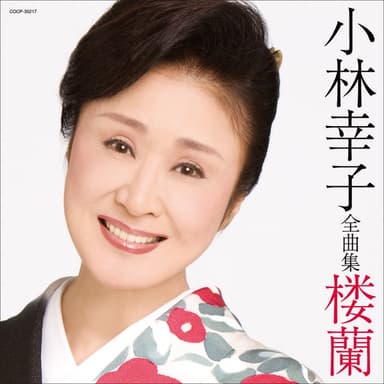
おもいで酒
Kobayashi Sachiko
Kobayashi Sachiko's "おもいで酒" belongs to enka's richest tradition — the drinking song that is not actually about drinking, but uses the glass as a lens for memory so painful it requires blurring. Released in 1979, the song found enormous success with an audience recognizing something true in its central image: a woman drinking alone with her memories arranged around her like photographs. The production is careful and intimate — strings that lean in rather than expand outward, a tempo that matches the deliberate slowness of pouring a drink. Kobayashi's voice possesses a particular quality of contained emotion, as if feeling were pressing against a surface from the inside, the vibrato communicating what the words approach but never quite say directly. The lyric's restraint is the key to its power; it never states what was lost, only gestures toward an absence large enough that sake is the rational response. This indirection is characteristic of enka's emotional grammar — the feeling is named through the setting, the action, the season, never by direct declaration. The song works best in a narrow space: a small bar, low light, the sound slightly too loud on a tinny speaker, which is exactly where enka was designed to live.
slow
1970s
close, dim, still
Japan
Enka. Drinking Song Enka / Ballad.
Wistful, Quietly Devastated. Opens in deliberate solitude and deepens as each glass pours into memory, the unspoken loss growing larger through restraint until absence becomes the subject the song was always about..
energy 2. slow. danceability 1. valence 2.
vocals: contained emotion, inward vibrato, pressure-from-inside delivery, restrained, intimate.
production: intimate strings, leaning-in arrangement, minimal space, voice-centered, deliberate pacing.
texture: close, dim, still. acousticness 7.
era: 1970s. Japan.
For a small bar with low light and a speaker slightly too loud, exactly where enka was designed to live.