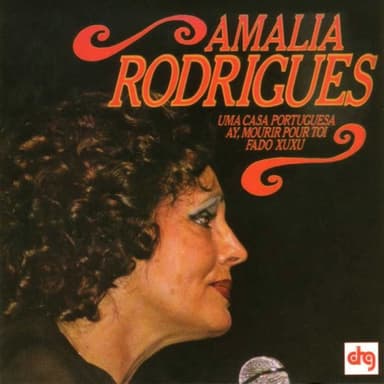
Coimbra
Amália Rodrigues
Amália Rodrigues's "Coimbra" is an essential document of Portuguese fado's classical tradition — the legendary performer's voice carrying the characteristic saudade, that untranslatable Lusophone emotional concept combining nostalgia, longing, and melancholic love for absent things. Coimbra, Portugal's ancient university city, functions as both geographic subject and emotional symbol — the city of Fado Académico where students in black capes sing beneath narrow medieval streets. Amália's voice here is at its most characteristic: a deep, warm contralto with dramatic phrasing that dwells in syllables, extracting emotional weight from duration and inflection. The acoustic guitar accompaniment — viola baixo and portuguese guitar — provides the tradition's characteristic harmonic structure, modal progressions that feel both ancient and precisely suited to the emotional content. This is music that makes the listener feel the weight of time, of places left, of youth preserved in memory's amber. For non-Portuguese listeners, the emotion communicates before the language is understood; saudade is a universal feeling given specific sonic form. Essential for understanding fado's cultural depth.
slow
1950s
resonant, ancient, warm
Portuguese
Folk, World. Fado.
Nostalgic, Melancholic. Dwells in saudade from first note — longing for absent things given sonic form, settling into bittersweet acceptance..
energy 3. slow. danceability 1. valence 3.
vocals: deep contralto, dramatic phrasing, sustained syllables, expressive, classical.
production: portuguese guitar, viola baixo, acoustic, traditional arrangement.
texture: resonant, ancient, warm. acousticness 10.
era: 1950s. Portuguese.
Quiet contemplative listening when the weight of time and places left behind feels most present.