Table Ronde
Grand Kallé & African Jazz
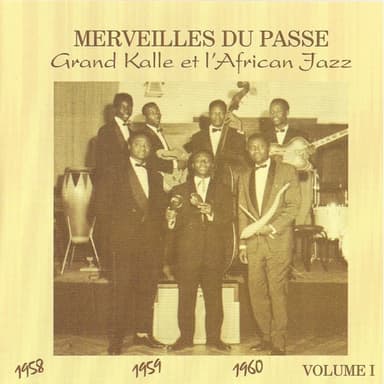
"Table Ronde" emerges from the same historical matrix as "Indépendance Cha Cha," Grand Kallé and African Jazz producing music in direct response to the Brussels Round Table conference (table ronde) of 1960 that negotiated Congolese independence from Belgium. Where "Indépendance Cha Cha" celebrates liberation achieved, "Table Ronde" documents the process of negotiation itself — the meetings, the delegates, the difficult conversations that preceded independence. Grand Kallé's vocal warmth gives even this politically charged subject matter a human texture, the music never losing its fundamental danceable quality even as it performs documentary function. African Jazz in this period represented the sophisticated urban music culture of Léopoldville (now Kinshasa), a scene shaped by Cuban records arriving via maritime trade routes and translated by Congolese musicians into something distinctly their own. The cha-cha rhythm provides structural mobility, allowing lyrics to be delivered at conversational pace without sacrificing the physical engagement that made these songs communally useful. There's something moving about popular music that takes civic responsibility seriously — that believes the events shaping a people's collective life deserve the full attention that art can bring. "Table Ronde" treats political history as worthy of a love song's craft, and the result outlasted the immediate moment by decades.
medium
1960s
bright, purposeful, danceable
Democratic Republic of Congo
World, Congolese Rumba. Cha-cha / Political documentary pop.
hopeful, civic. Channels political process into human warmth, the seriousness of negotiation transformed through melody into communal celebration..
energy 7. medium. danceability 8. valence 8.
vocals: warm, documentary, civic, humane, direct.
production: cha-cha rhythm, Cuban-Congolese synthesis, ensemble, brass.
texture: bright, purposeful, danceable. acousticness 4.
era: 1960s. Democratic Republic of Congo.
Listening when history feels immediate and you want music that treated civic life as worthy of a love song's craft.