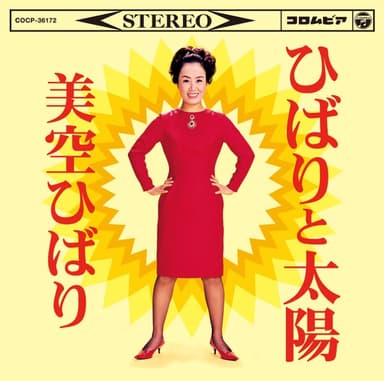
真赤な太陽 (Makka na Taiyou)
Hibari Misora
"真赤な太陽" (Blazing Red Sun), from 1967, represents a dramatically different facet of Hibari Misora's artistry — the pop singer rather than the enka priestess, her voice here deployed with brash, joyful energy over a driving rock-influenced arrangement. Brass stabs, dancing rhythm guitar, and a melody that seems to run rather than walk: this is Misora in technicolor mode, the voice that could fill a stadium with pure projection cutting through an arrangement that might otherwise overwhelm. The song exudes a specific mid-Showa era optimism — Japan in high economic growth, the energy of a country remaking itself in primary colors. The lyrical imagery is appropriately vivid: red sun, burning passion, love as elemental force. Culturally it captures a moment when Japanese popular music was absorbing Western rock and pop influences while retaining its own melodic sensibility — a fascinating hybrid that Misora embodied perfectly precisely because she could move between genres without seeming to try. For contemporary listeners, it functions as irresistibly catchy nostalgia-pop, the kind of song that becomes physically difficult to sit still during, its energy bypassing critical faculties and going straight to the body.
fast
1960s
bright, bold, kinetic
Japan
J-Pop, Enka. Showa-era pop-rock.
exuberant, passionate. Bursts with unrelenting energy and optimism from start to finish, love rendered as pure elemental force..
energy 8. fast. danceability 7. valence 9.
vocals: brash, stadium-projecting, joyful, dynamically bold, technicolor.
production: brass stabs, driving rhythm guitar, rock-influenced, jubilant arrangement.
texture: bright, bold, kinetic. acousticness 2.
era: 1960s. Japan.
Upbeat nostalgic listening, celebratory gatherings, or discovering the irrepressible energy of Showa-era pop.