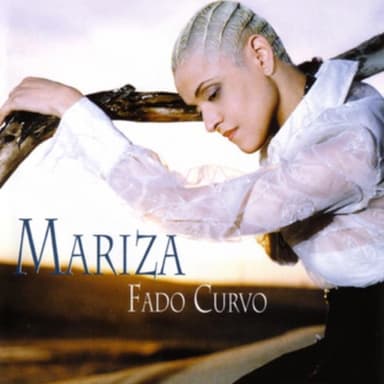
Primavera
Mariza
"Primavera" — spring — arrives in Mariza's hands not as relief but as complication. The song uses seasonal renewal to interrogate a relationship, the blooming world outside thrown into contrast with something stalled or ending within. Her voice here has more warmth and color than in her starkest work, the production allowing more light in — acoustic guitar bright and forward in the mix, the arrangement less dramatic, more conversational. There is something almost spoken about her phrasing in the verses, the melody barely departing from speech rhythm, which makes the lyric land with unusual directness. Fado typically aestheticizes pain into formal beauty; "Primavera" is more ambivalent, less resolved — the emotional territory remains in motion throughout. Mariza's interpretive intelligence is especially evident here: she understands that fado's power often lies not in the most intense moments but in the tension held between restraint and release. The cultural resonance of spring in the Portuguese imagination carries additional weight — Portugal's democratic revolution of 1974 was called the Carnation Revolution, and the country's relationship to political and emotional liberation remains intertwined. Listening to "Primavera," you sense all of this hovering at the edges without being made explicit. Best heard in the complicated beauty of actual spring, when renewal and loss arrive simultaneously.
slow
2000s
warm, luminous, unresolved
Portugal
Fado, Portuguese Traditional. contemporary fado.
bittersweet, ambivalent. Opens with spring warmth but complicates renewal, holding the tension between the blooming world outside and something stalled within, leaving emotion unresolved..
energy 3. slow. danceability 2. valence 5.
vocals: warm, conversational, speech-rhythm phrasing, expressive, controlled.
production: bright acoustic guitar, light arrangement, forward mix, conversational.
texture: warm, luminous, unresolved. acousticness 7.
era: 2000s. Portugal.
In actual spring, when renewal and loss arrive at the same moment.