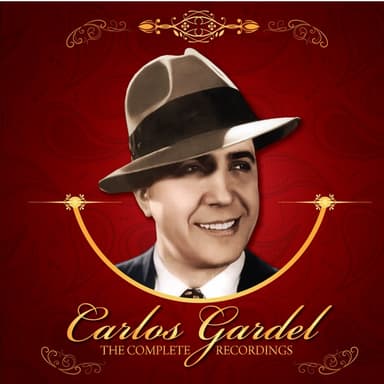
Cuando Llora la Milonga
Carlos Gardel
"Cuando Llora la Milonga" finds Gardel meditating on the music itself — the milonga as a weeping woman, a living presence that carries the sorrows of those who dance it. The metaphor is typically porteño in its emotional intelligence: the dance floor as a theater of hidden grief, people moving through joy and pain simultaneously. Gardel's voice wraps around the melody with characteristic warmth, but there is a philosophical distance here that sets this apart from his more purely romantic repertoire. He is not merely suffering; he is observing suffering, noting the strange way that communal music absorbs individual pain and transforms it. The guitar work is elegant and unobtrusive, framing the voice without competing with it. Production captures the intimate acoustic space of early sound recording — a room-sized presence that places Gardel close, almost conversationally so. The cultural resonance runs deep: the milonga as cultural inheritance, as mourning practice, as the one place where Buenos Aires showed its interior life. This is tango as social philosophy rendered in song, the lyric reaching toward something larger than a single love story — toward the idea that a music can hold a whole city's longing.
slow
1930s
warm, close, room-presence
Argentina
Tango. Milonga filosófica.
melancholic, reflective. Opens in philosophical observation of collective sorrow, moves toward a sense of communal mourning absorbed and transformed by music..
energy 3. slow. danceability 4. valence 3.
vocals: warm, conversational, contemplative, unhurried, observational.
production: acoustic guitar, intimate acoustic space, unobtrusive, early sound recording.
texture: warm, close, room-presence. acousticness 10.
era: 1930s. Argentina.
A quiet evening when you want to feel connected to something larger than your own sadness.