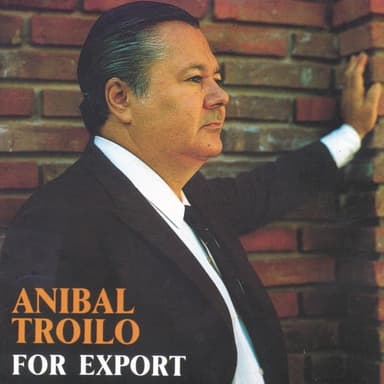
El Marne
Aníbal Troilo
Troilo's bandoneon announces itself here with the authority of someone who has earned the right to take time — a majestic opening that unfurls slowly before the full orchestra joins in its rolling, dark-honey tango rhythm. "El Marne" is an instrumental showcase for Troilo's ensemble at its most cohesive: the strings provide a carpet of sound beneath which the bandoneons move with the weight of something tidal, and the piano articulates the rhythmic skeleton with precise, understated elegance. There is grief in this piece — it was composed in homage, and Troilo's performance carries that awareness in every phrase, never melodramatic but always purposeful in its sorrow. The dynamic architecture is meticulous: quieter passages that feel like held breath, then swells that arrive with the inevitability of tide. This is the sophisticated, chamber-influenced tango of the 1940s golden age — music that demanded concert attention even as it theoretically served the dancefloor, a tension Troilo navigated better than almost anyone. For the listener, it rewards complete stillness: close your eyes and the orchestration maps an emotional terrain that language would only diminish. Essential listening for anyone who wants to understand what Argentine tango became at its most serious and fully realized.
slow
1940s
tidal, dense, dark-honey
Argentina
Tango. Tango orquestal instrumental.
melancholic, solemn. Begins with slow, authoritative gravity and moves through tidal swells of sorrow, resolving into purposeful, dignified stillness..
energy 4. slow. danceability 4. valence 2.
production: full orchestra, bandoneons, strings, piano, dynamic architecture, chamber-influenced.
texture: tidal, dense, dark-honey. acousticness 6.
era: 1940s. Argentina.
Complete stillness with eyes closed when you want music to map an emotional terrain beyond words.