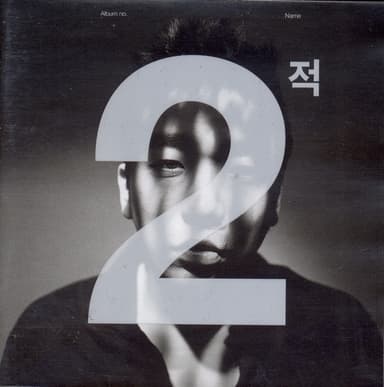
강 (River)
이적
Lee Juck's solo career revealed a songwriter capable of sustained poetic engagement — not the sharp-edged social commentary of Panic's best work but something more elemental. "강," River, uses the image of flowing water to meditate on time, change, and the particular sadness of things that move in only one direction. Production reflects the mature, more introspective Lee Juck: acoustic instruments given room to breathe, piano and guitar in quiet conversation, orchestration that builds atmosphere without asserting itself. His voice has settled into the comfortable mid-range authority of someone who no longer needs to prove anything, the rough urgency of the Panic years smoothed into something more considered. The river as metaphor is ancient enough to have been worn smooth — but Lee Juck grounds it in specific observation: what it looks like at different hours, the way light moves across it, the sense of permanence and relentlessness simultaneously. Lyrically, the song circles the question of standing at a riverbank and watching everything pass, the stasis of the observer against the constant motion of what is observed. Emotionally, it sits in contemplative territory, not grief but the particular thoughtfulness of someone who has learned to find meaning in watching things pass. A song for long, slow afternoons near water, for the meditative quiet that arrives after the more urgent emotions have exhausted themselves.
slow
2000s
sparse, airy, atmospheric
South Korea
Folk, Singer-Songwriter. Korean Folk Ballad.
Contemplative, Melancholic. Opens in quiet observation and builds slowly through meditation on impermanence, settling into peaceful acceptance of things that only move in one direction.
energy 2. slow. danceability 1. valence 3.
vocals: settled, authoritative, reflective, mid-range warmth.
production: acoustic guitar, piano, light orchestration, spacious arrangement.
texture: sparse, airy, atmospheric. acousticness 9.
era: 2000s. South Korea.
A long, slow afternoon near water when the urgent emotions have already passed and only quiet thought remains.