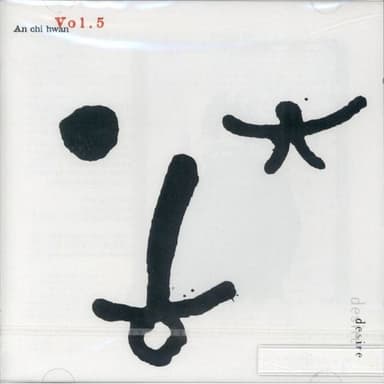
사람이 꽃보다 아름다워
안치환
안치환's "사람이 꽃보다 아름다워" (People Are More Beautiful Than Flowers) arrives with acoustic guitar and a voice full of hard-won conviction — this is folk music in the political and spiritual tradition of songs that genuinely believe in what they are saying. The melody has an anthemic simplicity that made it immediately teachable and singable, which was essential for a song that circulated through labor movement gatherings, university campuses, and pro-democracy events throughout the 1990s. But to reduce it to a protest song misses something important: Ahn Chi-hwan is making an aesthetic argument as well as a political one, insisting that the most profound beauty in the world is found in human beings, in their capacity for love and struggle and dignity. The production trusts the song completely, never overloading it with arrangement, letting the lyrics and the voice carry all the weight. Ahn's vocal style combines folk earnestness with something that sounds genuinely moved — not performed emotion but actual feeling expressed through practiced craft. In the context of Korean society's rapid modernization and the social fractures that process created, this song functioned as a kind of ethical anchor: a reminder that what was being lost in the rush toward economic development was irreplaceable. It still does.
medium
1990s
clear, open, communal
South Korea
Korean Folk, Protest Folk. Minjung Folk Anthem.
uplifting, earnest. Opens with personal conviction and builds through anthemic simplicity into a communal celebration of human dignity.
energy 5. medium. danceability 3. valence 8.
vocals: earnest, genuinely moved, conviction-driven, warm.
production: acoustic guitar, minimal arrangement, voice-forward, unadorned.
texture: clear, open, communal. acousticness 9.
era: 1990s. South Korea.
Gathering with people who share values, needing a reminder of human worth and collective solidarity