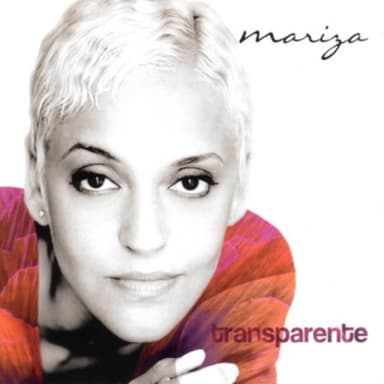
Há uma Música do Povo
Mariza
Mariza arrived in the early 2000s as fado's great contemporary renewal — her voice massive and theatrical, her presentation more international than the genre's cloistered traditions, her commitment to the music's emotional core absolute. This song — "There Is a Music of the People" — is fado as self-reflection, the genre meditating on its own existence and persistence through generations of Portuguese life. The guitarra portuguesa traces its silver arabesques beneath the viola baixo's deeper pulse while Mariza's voice rises over both with a grandeur that manages simultaneously to feel personal and monumental. She phrases with tremendous freedom, bending notes toward the blue end of the scale, letting certain syllables bloom into full vibrato while others fall almost to speech. The lyric locates fado not in concert halls or recordings but in the unnamed, communal spaces where music lives because people need it to: the back rooms, the harbor mornings, the grief that has no other outlet. There is political dignity here too — fado as resistant culture, as memory that survives occupation, modernization, forgetting. Listening to Mariza sing this is to be reminded that music doesn't only document a people's history; sometimes it is itself that history, indistinguishable from the lives it moves through.
slow
2000s
resonant, intimate, traditional
Portugal
Fado, World Music. contemporary fado.
proud, melancholic. Moves from communal reflection into personal grandeur, the voice rising to monumental scale while maintaining intimacy with the music's folk origins.
energy 6. slow. danceability 2. valence 5.
vocals: massive, theatrical, ornamented, vibrato-rich, emotionally direct.
production: guitarra portuguesa, viola baixo, traditional, acoustic, unadorned.
texture: resonant, intimate, traditional. acousticness 9.
era: 2000s. Portugal.
Best encountered as a reminder that music can become inseparable from a people's collective memory and act of resistance.