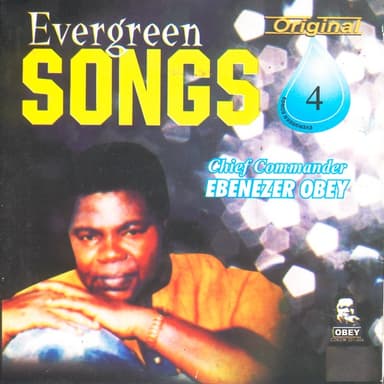
Mukulu Muke
Ebenezer Obey
"Mukulu Muke" carries a conversational warmth that distinguishes Ebenezer Obey's approach from contemporaries who favored grander sonic gestures. The title suggests something small but significant, and the track's production philosophy mirrors that — no element overwhelms, the ensemble moving together with the ease of musicians who have spent years in each other's rhythmic company. Bass guitar grounds the talking drum's conversation without dominating it, and Obey's rhythm guitar chops create the forward momentum that jùjú borrows from earlier palm wine music traditions. His vocal here leans into storytelling mode — the melodic line functioning almost as recitation, carrying its listeners through verses that unfold with the unhurried logic of oral narrative. The track rewards close listening in a way that casual hearing misses: phrases that seem like simple praise on first encounter reveal layers of social commentary and Yoruba philosophical reference on repeat plays. This is the quality that made Obey a figure of genuine cultural authority rather than simply a popular entertainer — his music taught as it moved people.
slow
1970s
conversational, organic, layered
Nigeria
World. Jùjú.
Warm, Reflective. Opens with conversational warmth and deepens through storytelling verses, gradually revealing social commentary beneath apparent simplicity.
energy 3. slow. danceability 5. valence 7.
vocals: storytelling, recitative, warm, culturally layered.
production: bass guitar, talking drum, rhythm guitar, palm wine-influenced.
texture: conversational, organic, layered. acousticness 7.
era: 1970s. Nigeria.
Attentive repeated-listening sessions that reward patience with deeper layers of social and philosophical meaning.