Zen
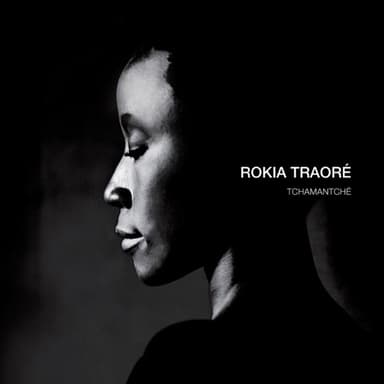
Rokia Traoré
There is a quietness at the center of this song that feels earned rather than empty. Rokia Traoré strips away nearly everything — sparse plucked strings, a melody that breathes rather than rushes — and what remains is a kind of resting point you didn't know you needed. The production holds wide open spaces between notes, and those silences carry as much weight as the sound itself. Her voice enters with an almost conversational intimacy, low and unhurried, somewhere between speaking and singing, as though she is sharing something she has long kept to herself. There is no urgency here, no climax being built toward. Instead the song moves like afternoon light shifting across a room — gradual, warm, almost imperceptible until you realize the mood has changed entirely. The lyrics circle around stillness as a form of resistance, a refusal to be swept up in noise and chaos. Traoré exists at the intersection of Malian traditional music and something harder to name — a sophisticated contemporary sensibility that never announces itself. This is music for the moment after a long journey when you finally sit down. You would reach for this song late at night when you want to stop performing your own feelings and simply rest inside them.
slow
2000s
sparse, airy, warm
Malian, West African traditional meets sophisticated contemporary sensibility
World, African Contemporary. Malian Folk.
serene, contemplative. Opens in earned stillness and remains there, deepening into a quiet peace that functions as active resistance to noise and chaos..
energy 2. slow. danceability 2. valence 5.
vocals: breathy female, conversational, intimate, unhurried.
production: sparse plucked strings, wide open space, minimal, acoustic.
texture: sparse, airy, warm. acousticness 9.
era: 2000s. Malian, West African traditional meets sophisticated contemporary sensibility.
Late at night alone when you want to stop performing your own feelings and simply rest inside them.