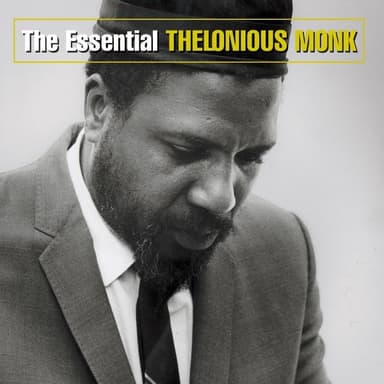
Crepuscule with Nellie
Thelonious Monk
The word "crepuscule" means twilight, and the song earns it — this is music that exists in the dissolving margin between day and night, between activity and rest. What makes it exceptional even within Monk's catalog is that it is through-composed: there is no improvisation on the original recording, no soloing, just the theme played exactly as written, once, and then it ends. This restraint is radical. The melody moves with a kind of unhurried deliberateness, each phrase feeling considered and final, like sentences in a letter written to be kept rather than sent. The piano sound is intimate, the left hand providing just enough harmonic architecture to keep things rooted while the right hand moves through the changes with characteristic Monk angularity — those sudden leaps, those grace notes that land slightly off-center. He wrote it for his wife Nellie, and it carries the texture of long familiarity, of love that has passed through argument and illness and years and arrived somewhere quieter than romance. This is music to sit with rather than listen to.
slow
1950s
sparse, warm, intimate
American jazz, New York
Jazz, Jazz Ballad. Through-composed Jazz.
serene, melancholic. Moves with unhurried deliberateness from twilight stillness to a quietly settled peace that feels earned rather than given..
energy 1. slow. danceability 1. valence 5.
vocals: instrumental — solo piano, angular, deliberate, intimate.
production: solo piano, minimal, no improvisation, warm acoustic resonance.
texture: sparse, warm, intimate. acousticness 10.
era: 1950s. American jazz, New York.
Quiet evening sitting alone at home, letting time pass without agenda, music that rewards stillness over attention.