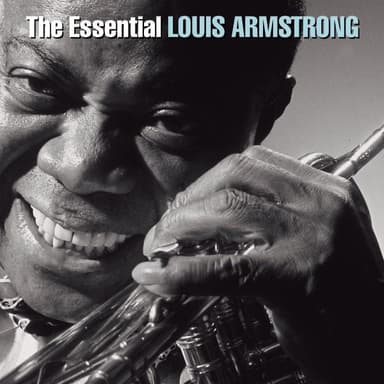
Stardust
Louis Armstrong
Where the previous song grins, this one sighs. Armstrong's trumpet opens with a phrase of almost unbearable tenderness, the tone burnished and golden, vibrato wide enough to carry real ache. The melody is one of the great American tunes — a kind of organized longing — and Armstrong wraps himself around it with the intimacy of someone recalling a specific person from a specific night. His vocal here is rough-edged but deeply felt, an old man's voice even when he was young, full of gravel and genuine emotion. The production is spare: piano underneath, strings hovering at the edge. It belongs to the late-night tradition of jazz balladry, songs meant to be heard in half-dark rooms when the crowd has thinned and pretense has evaporated. This is the song you put on when nostalgia turns sharp and specific, when you're thinking about someone you can't quite reach anymore — not with grief exactly, but with that bittersweet clarity that only comes after enough time has passed.
slow
1920s
warm, burnished, intimate
American Jazz Age, Tin Pan Alley songbook tradition
Jazz, Pop. Jazz Ballad / Tin Pan Alley.
nostalgic, melancholic. Opens with almost unbearable tenderness and deepens into bittersweet clarity — aching but never despairing, like grief softened by enough elapsed time..
energy 3. slow. danceability 3. valence 4.
vocals: gravelly male, emotionally raw, intimate, world-weary warmth.
production: solo trumpet, sparse piano, hovering strings, minimal arrangement.
texture: warm, burnished, intimate. acousticness 7.
era: 1920s. American Jazz Age, Tin Pan Alley songbook tradition.
Late night alone in a half-dark room when you're thinking about a specific person you can no longer reach.