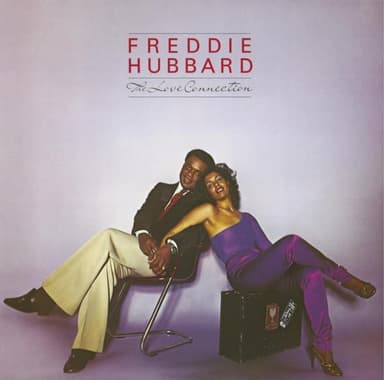
Little Sunflower
Freddie Hubbard
The flute opens this, alone and unhurried, and the choice of instrument immediately establishes the piece's pastoral, sunlit character. This is among the warmest things Hubbard recorded — a melody that moves with the slow ease of late afternoon light, harmonically settled and emotionally transparent. When the full ensemble enters, the texture fills in gently rather than dramatically, maintaining the introspective quality the opening established. The groove is gentle, somewhere between bossa nova and a slow waltz, giving the piece a floating, slightly timeless feel that doesn't belong to any particular moment in jazz history. Hubbard's flugelhorn work here (if he's on flugelhorn — the piece suits it) or trumpet carries a softness and lyricism that shows a different dimension of a player better known for hard-driving power. This is music that recalls simplicity without being simple, that treats emotional directness as its own form of sophistication. It belongs to Sunday mornings, to open windows, to the unguarded hours.
slow
1960s
bright, airy, warm
American jazz with Brazilian bossa nova melodic influence
Jazz, Bossa Nova. Jazz Ballad.
serene, nostalgic. Begins in solitary pastoral beauty via solo flute and gently fills into warm ensemble glow, sustaining open, unguarded lightness throughout..
energy 2. slow. danceability 2. valence 8.
vocals: instrumental only, no vocals.
production: flute, flugelhorn, piano, bass, gentle percussion, sparse minimal arrangement.
texture: bright, airy, warm. acousticness 9.
era: 1960s. American jazz with Brazilian bossa nova melodic influence.
Sunday mornings with open windows during the unguarded hours before the day makes any demands of you.