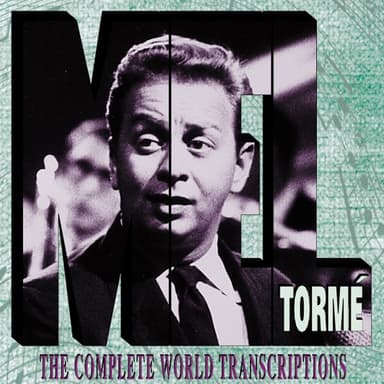
It Never Entered My Mind
Mel Tormé
A piano opens alone — unhurried, almost reluctant — and Tormé enters as if walking into a room he's been avoiding. There's no grandeur here, no showmanship. The arrangement is spare: brushed drums barely touching the skin, a bass that seems to breathe rather than pulse, and that voice, which sits in a register that exists somewhere between a sigh and a confession. Tormé's instrument was famously velvet, and here that softness becomes the point — he doesn't project, he recedes, which paradoxically draws the listener closer. The song is about the peculiar cruelty of wishes granted too late, of realizing what you needed only after you've lost it. It carries no anger, only a tired, clear-eyed acceptance. There's a moment mid-song where the melody reaches upward and Tormé lets it open slightly — not into triumph but into something like a wince — before settling back into that intimate murmur. This is midnight music, 3 a.m. music, the kind you find yourself listening to alone in a kitchen with a glass of something, the kind that doesn't comfort so much as confirm that you're not wrong to feel exactly what you feel.
very slow
1950s
intimate, warm, spare
American jazz standard
Jazz. Vocal Jazz / Jazz Standard.
melancholic, introspective. Opens in quiet resignation and briefly reaches upward in a wince of recognition before settling back into clear-eyed, tired acceptance of loss..
energy 2. very slow. danceability 2. valence 2.
vocals: velvet baritone, hushed, intimate, confessional, receding.
production: solo piano, brushed drums, upright bass, sparse arrangement.
texture: intimate, warm, spare. acousticness 8.
era: 1950s. American jazz standard.
Alone at 3 a.m. in a quiet kitchen, sitting with a feeling you cannot name but recognize completely.