Wolves and Leopards
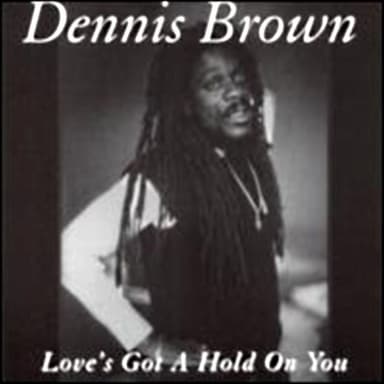
Dennis Brown
This is where Dennis Brown steps fully into the prophetic register — the riddim is heavier here, carrying a roots-reggae weight that presses down rather than lifts, and the bass lines have a deliberate gravity that shifts the whole emotional register toward warning and reckoning. His voice, usually deployed in its sweetest tones, finds a harder edge without losing any of its distinctive quality — the beauty is still there, but it is now the beauty of something serious rather than something pleasurable. The arrangement uses organ and guitar in a way that echoes the earlier Wailers material — walls of sound that feel like congregation rather than band, communal and insistent. The lyrical concern is with exploitation and betrayal within systems of power — the imagery of predatory animals stands for those who consume the poor and vulnerable while professing to protect them. This is a tradition that runs through the whole roots movement: using symbolic language to describe political realities in ways that are both poetic and direct. The song belongs to a moment in the late 1970s when Jamaican consciousness music was still genuinely radical rather than commercially processed. It is not background music — it demands the kind of attention you give to something that is trying to tell you something true.
slow
1970s
heavy, dense, raw
Jamaican, late-70s roots consciousness movement
Reggae. Conscious roots reggae.
serious, prophetic. Opens with heaviness and warning, builds into an uncompromising condemnation of exploitation using animal imagery, and offers no resolution — only reckoning..
energy 5. slow. danceability 3. valence 3.
vocals: hard-edged tenor, prophetic, serious, still melodically beautiful.
production: organ walls, roots-style guitar, heavy deliberate bass, congregational arrangement.
texture: heavy, dense, raw. acousticness 4.
era: 1970s. Jamaican, late-70s roots consciousness movement.
When you need music that demands attention rather than provides background — something trying to tell you something true about systems of power.