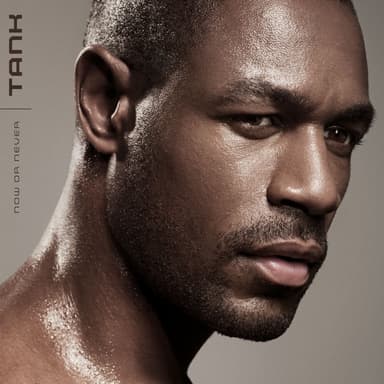
I Can't Make You Love Me
Tank
This is not the Bonnie Raitt version, and the difference is instructive. Where that recording leans into country-folk restraint and white space, Tank's interpretation is drenched in the full orchestral warmth of contemporary R&B production — lush strings, layered harmonies, a vocal approach that treats every phrase as an opportunity for expressive nuance. His voice wraps around the melody with the confidence of a singer who understands that the best covers aren't imitations but genuine emotional renegotiations. The song's core devastation — the impossible task of loving someone who cannot love you back — is, if anything, amplified by the production choices, the beauty of the arrangement throwing the sadness into sharper relief. Tank finds the gospel underside of the lyric, turning a song about romantic futility into something that edges toward spiritual acceptance. It belongs to that small canon of covers that justify their own existence completely, not by surpassing the original but by revealing a dimension the original didn't explore. This is music for the long, honest conversations you have with yourself after a relationship has taught you something you didn't want to learn.
slow
2000s
lush, rich, orchestral
American R&B/Soul, gospel tradition recontextualized
R&B, Soul. Gospel Soul.
melancholic, bittersweet. Sustains a deep, aching sadness from the first note but gradually reveals a spiritual undercurrent, moving toward acceptance rather than despair..
energy 3. slow. danceability 2. valence 3.
vocals: powerful male, rich expressive nuance, gospel-rooted, full resonant range.
production: lush orchestral strings, layered harmonies, warm contemporary R&B arrangement.
texture: lush, rich, orchestral. acousticness 3.
era: 2000s. American R&B/Soul, gospel tradition recontextualized.
During the long, honest conversations you have with yourself after a relationship has finished teaching you something you didn't want to learn.