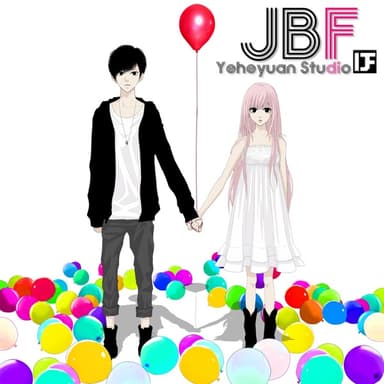
Just Be Friends
Dixie Flatline feat. Megurine Luka
"Just Be Friends" does something quietly devastating: it takes the formal language of J-pop breakup songs and strips away every protective layer of melodrama, leaving behind something that feels genuinely honest about the experience of ending a relationship that both people have already known for a while is ending. Dixie Flatline's production is built around piano and layered synthesizers, the arrangement swelling at the chorus but never losing its fundamental restraint — there's a held-breath quality to the verses that makes the emotional releases feel earned rather than manufactured. Luka's voice carries the song's emotional core with a maturity that her lower register naturally supports, her delivery precise but never cold, inhabiting the peculiar adult sadness of mutual acknowledgment. The song navigates the specific territory between grief and relief, the recognition that choosing to end something can be an act of care rather than failure. In the Vocaloid landscape of its era this stood out for its emotional sophistication, demonstrating that synthetic voices could carry adult emotional complexity rather than just virtuosic novelty. This is music for the specific quiet that follows a difficult but necessary conversation — not the ragged aftermath of a sudden ending, but the still, strange clarity of something that was resolved between two people who were kind to each other even while leaving.
medium
2010s
warm, restrained, bittersweet
Japanese Vocaloid / J-pop ballad tradition
J-Pop, Ballad. Vocaloid piano ballad.
melancholic, serene. Moves from restrained quiet sadness through earned emotional release at the chorus, settling into the still clarity of mutual resolution..
energy 4. medium. danceability 2. valence 3.
vocals: mature female Vocaloid, precise, emotionally restrained, adult sadness.
production: piano, layered synthesizers, swelling chorus, fundamentally restrained arrangement.
texture: warm, restrained, bittersweet. acousticness 4.
era: 2010s. Japanese Vocaloid / J-pop ballad tradition.
The specific quiet that follows a difficult but necessary conversation — not ragged aftermath, but the strange calm of something resolved with care.