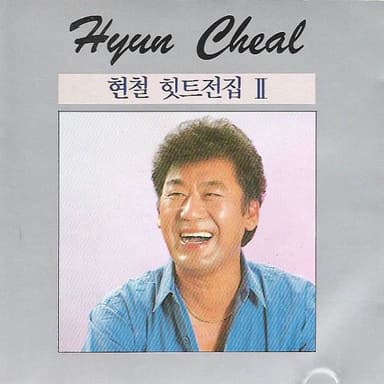
봉선화 연정
현철
The garden balsam flower — 봉선화 — is so deeply woven into Korean childhood memory that its appearance in a lyric does not need explanation; it arrives already loaded with summer afternoons, red-stained fingernails, grandmothers' hands, and the particular ache of things that cannot be recovered. 현철 builds this song around that ache, opening with a slow, sighing melody carried by acoustic strings and a light rhythmic pulse that feels more like a heartbeat than a beat. His voice is warm and slightly roughened at the edges, a mid-register baritone that never reaches for high drama but instead lets feeling accumulate in the quieter passages. The song moves through a traditional trot structure with an almost ceremonial patience — there are no sudden emotional escalations, only a gradual deepening, the way grief works when it has been carried long enough to become companionable. The lyric traces longing through the metaphor of the flower: its brief bloom, its vivid color, its connection to someone no longer present. What 현철 does particularly well here is keep the sentimentality from curdling into self-pity; the loss in this song has been accepted, even if it hasn't been resolved. You would listen to this in autumn, at a certain hour of fading light, when nostalgia doesn't hurt so much as remind you that you once felt something profound and that feeling proved you were alive.
slow
1980s
warm, soft, melancholic
Korean trot, 봉선화 flower as cultural memory anchor
Trot, Ballad. Korean Trot.
nostalgic, melancholic. Opens with a sighing ache and deepens gradually into accepted, companionable grief that never seeks resolution..
energy 3. slow. danceability 3. valence 4.
vocals: warm baritone, slightly roughened, understated emotional accumulation.
production: acoustic strings, light heartbeat rhythm, spare minimal arrangement.
texture: warm, soft, melancholic. acousticness 7.
era: 1980s. Korean trot, 봉선화 flower as cultural memory anchor.
Autumn evening at fading light when nostalgia no longer hurts but quietly confirms you once felt something profound.